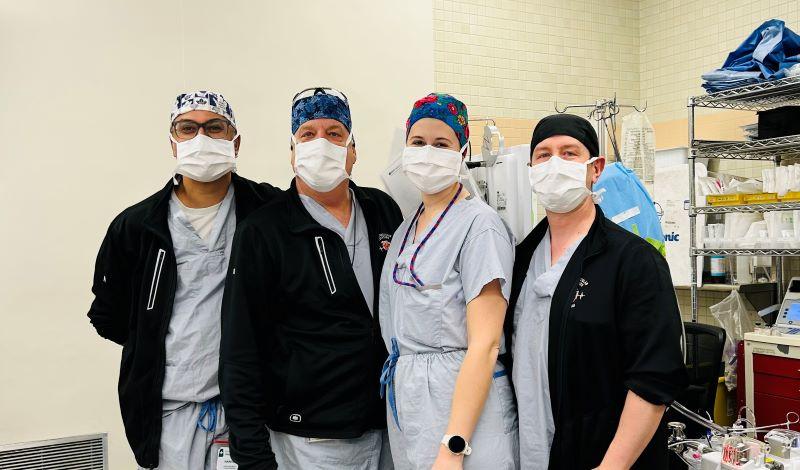
Naresh Tinani Career Spotlight
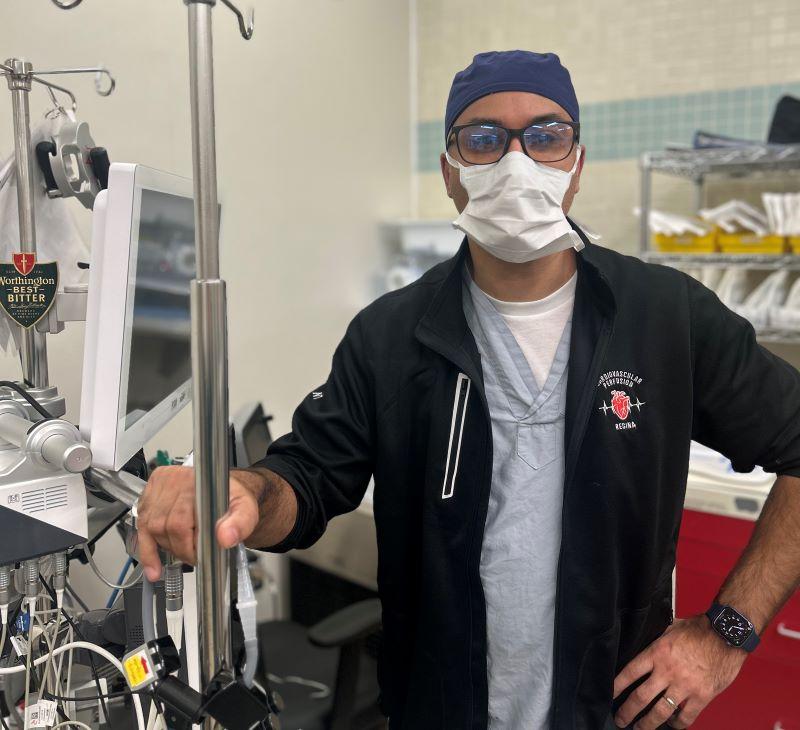
Naresh is a Perfusionist with primary practice site in the cardiac surgery program in Regina, where his team supports adult cardiac surgery, ECMO, and other advanced circulatory support needs for patients across the province.
What area of health care do you work in? Where do you work?
I work in the Cardiosciences department as a Senior Clinical Perfusionist with the Saskatchewan Health Authority. My primary practice site is the cardiac surgery program in Regina, where our team supports adult cardiac surgery, ECMO, and other advanced circulatory support needs for patients across the province.
What are you responsible for as a Perfusionist? Please describe a typical day for yourself.
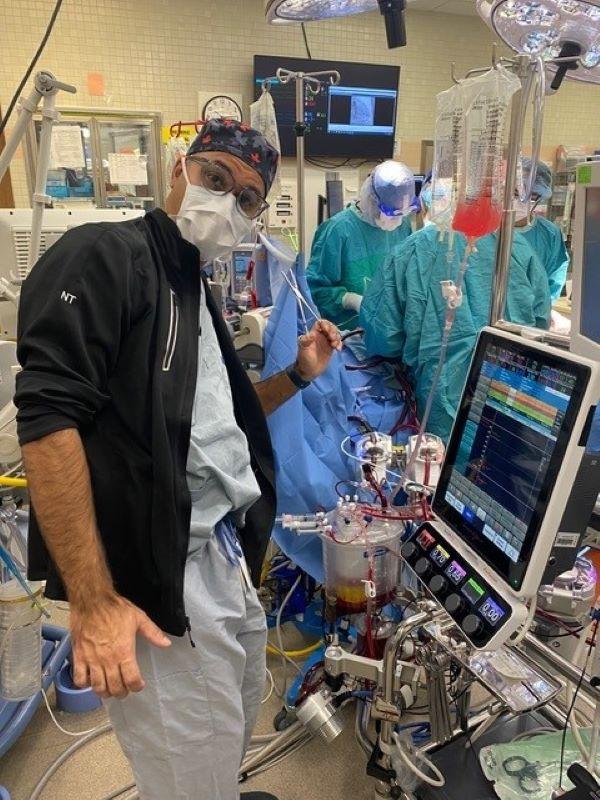
Perfusionists are responsible for managing the heart–lung machine and all aspects of extracorporeal circulatory support (ECLS) during cardiac surgery. We ensure that a patient’s blood flow, oxygenation, temperature, and metabolic needs are safely maintained while their heart is stopped for repair.
A typical day starts early with reviewing the surgical list, preparing perfusion equipment, and coordinating with the surgical, nursing, and anesthesia teams. Once the procedure begins, I manage cardiopulmonary bypass, troubleshoot any physiologic or equipment issues, and help guide the surgical team with real-time data. Outside the OR, my day may include managing ECLS patients in the ICU, participating in quality improvement initiatives, maintaining equipment, and supporting education for staff and students. No two days look the same—our work is highly technical, unpredictable, and rewarding.
How is your work-life balance as a Perfusionist? Please compare your current experience with other jobs you have had in the past.
Perfusion is a demanding role, particularly with call responsibilities and the unpredictable nature of cardiac emergencies. That said, the work-life balance can be quite good once you have experience and a strong team. Compared with earlier roles I’ve had in health care—where workloads were more rigid or shift-based—perfusion gives me a degree of variety and autonomy that I appreciate. The schedule can be intense at times, but the impact we make and the respect for our professional boundaries help keep the balance manageable.
Have you always wanted to be a Perfusionist? Tell us more about your career path!
Like many perfusionists, I didn’t grow up knowing this profession existed. I discovered perfusion while working as a support worker in health care and being drawn to roles that combined physiology, critical care, and hands-on technical skill. Once I shadowed a perfusionist, I knew it aligned perfectly with my strengths and interests. From there, I pursued formal training as a Respiratory Therapist and worked in critical care for a number of years, went on to graduate school to complete my training as a perfusionist, and built my practice with an incredible team.
Are there opportunities to further your career as a Perfusionist?
Absolutely. Perfusion offers several pathways:
- Clinical advancement, including senior or lead perfusionist roles.
- Specialization, such as ECLS leadership, pediatric perfusion (in centres where available), or quality and safety roles.
- Education, including precepting students or teaching in perfusion programs.
- Leadership and governance, such as serving on local or provincial committees or national organizations like the CSCP.
- Research and innovation, especially in areas like transplant medicine, ECLS in ICU, perfusion technologies in surgery, and patient-blood management.
The profession is evolving, and there are many opportunities to contribute in meaningful ways.
Do you have any advice for students or new graduates looking to pursue a career as a Perfusionist? Are there specialty areas that are in more demand than others?
My biggest advice is to seek as much exposure as possible—shadowing, volunteering in cardiac care areas, or connecting with practicing perfusionists. Perfusion is very technical, but it also requires calm under pressure, teamwork, and strong communication.
New graduates are in demand across Canada, particularly in centers with complex cardiac programs or expanding ECMO services. Pediatric perfusion remains a smaller, highly specialized area that often requires additional training or mentorship. ECMO and mechanical circulatory support experience is also increasingly valued.
What is the number one thing you love about being a Perfusionist?
The thing I love most is the privilege of making an immediate, life-changing impact. We have the privilege of caring for patients at some of their most vulnerable moments, and the combination of physiology, technology, teamwork, and trust is unlike any other role in health care. It’s an incredible blend of science, precision, and humanity.